





















As the 2026 FIFA World Cup comes around once more, this time, American fans are finally able to call the universal game of “futbol” as “soccer.” The FIFA World Cup is an international men’s soccer championship that occurs every four years. This year marks the 23rd official FIFA World Cup and is known to be the largest in tournament history with the United States, Canada, and Mexico cohosting the matches. All the games will take place from June 11 to July 19, 2026.
While the matches are spread throughout the entirety of North America, the 2026 World Cup seems to have found a home in the Greater Philadelphia and New Jersey/New York region. Six games are being played in the Philadelphia Stadium (also known as the Lincoln Financial Field) as well as the MetLife Stadium in East Rutherford, New Jersey which is hosting eight games, including the 2026 World Cup Final match. Fans in the local area are provided easy in-person access to the international soccer stage for the first time. Since the World Cup is so local, soccer fans are not the only population being reached. Local businesses and towns are able to embrace this massive event through watch parties and festivals.
In Haddonfield, New Jersey, the streets are celebrating with “Futbol Fridays” on Kings Highway. The street is lined with World Cup decorations and a large LED screen showcasing the matches. Being a family-friendly town, Haddonfield is filled with outdoor dining and activities for the audience to enjoy. Furthermore, the official World Cup FIFA Fan Festival is being hosted for all 39 days of the tournament at Lemon Hill in East Fairmount Park. Sponsors like Coca-Cola and Bank of America celebrate the tournament with interactive pop-ups and free merchandise for fans to enjoy. Similar to the other locations, the festival provides seating for fans to watch the matches on a large staged screen.
“I went to [the festival] where France and Senegal were playing [against each other] and it was really cool seeing other people from different [cultural] backgrounds celebrating with each other… [it seemed] more like a celebration of culture rather than just a normal soccer tournament,” said Ryan Lee, a soccer fan who attended the festival.
“Since I’m from New York [City], and a lot of matches are hosted in New York, I got to interact with Senegalese fans, Norwegians, and Germans. It’s honestly very fun to interact with [people] from different cultural backgrounds,” said Lee.
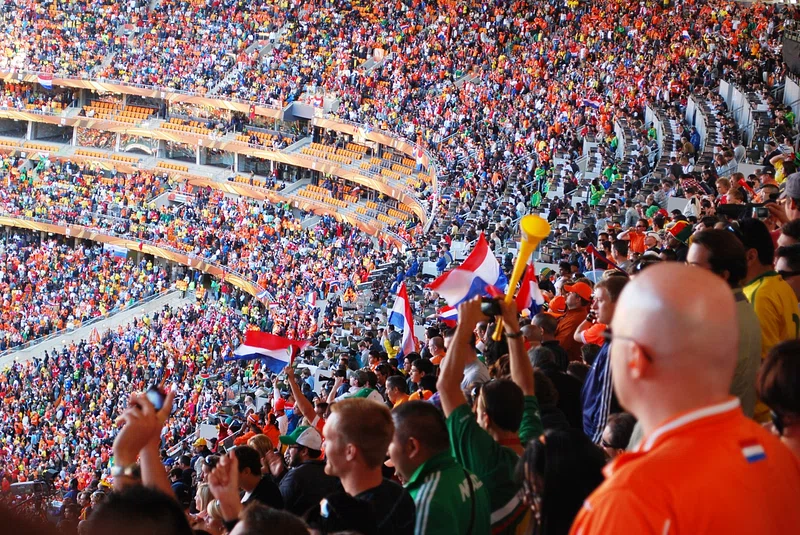
Although the 2026 World Cup is an international tournament meant to showcase professional soccer players, it also serves a greater purpose of serving the community. Through these events and just by watching the games, it has the ability to create a greater connection within society.
“The World Cup definitely affected me in a positive way, it let me spend more time with my family… as we got to eat together and watch matches together,” said Lee.
“People are wearing jerseys and everyone is talking about the games, even people who don’t normally watch soccer seem interested so it’s been something that brings a lot of people together,” said Trina Nguyen (‘28).
Although Nguyen is not a huge soccer fan herself, “[her] dad watches it all the time so he always keeps [her] updated on what’s happening,” said Nguyen.
Despite not watching all the matches, Nguyen mentions that she is still able to keep up with the current standings just by scrolling through social media or talking to her dad. Her experience demonstrates how the World Cup is able to extend its audience beyond the fans and how the role of today’s media is capable of keeping all audiences connected to the game.
Through festivals, watch parties, and even just by watching the game alone on the couch, the 2026 FIFA World Cup proves that it is not only a professional soccer championship but also a cultural event that goes beyond just sports. It highlights the camaraderie of fans between the United States and other diverse countries represented within the nation’s cultural melting pot. Whether fans are cheering for the US or other countries, the World Cup proves that everyone can come together as a community to support each other through the game of soccer. So, while the rest of the world will call this sport “futbol,” American fans will continue to enjoy watching “soccer” while cheering for their favorite team.