

























Want to lose weight quicker?
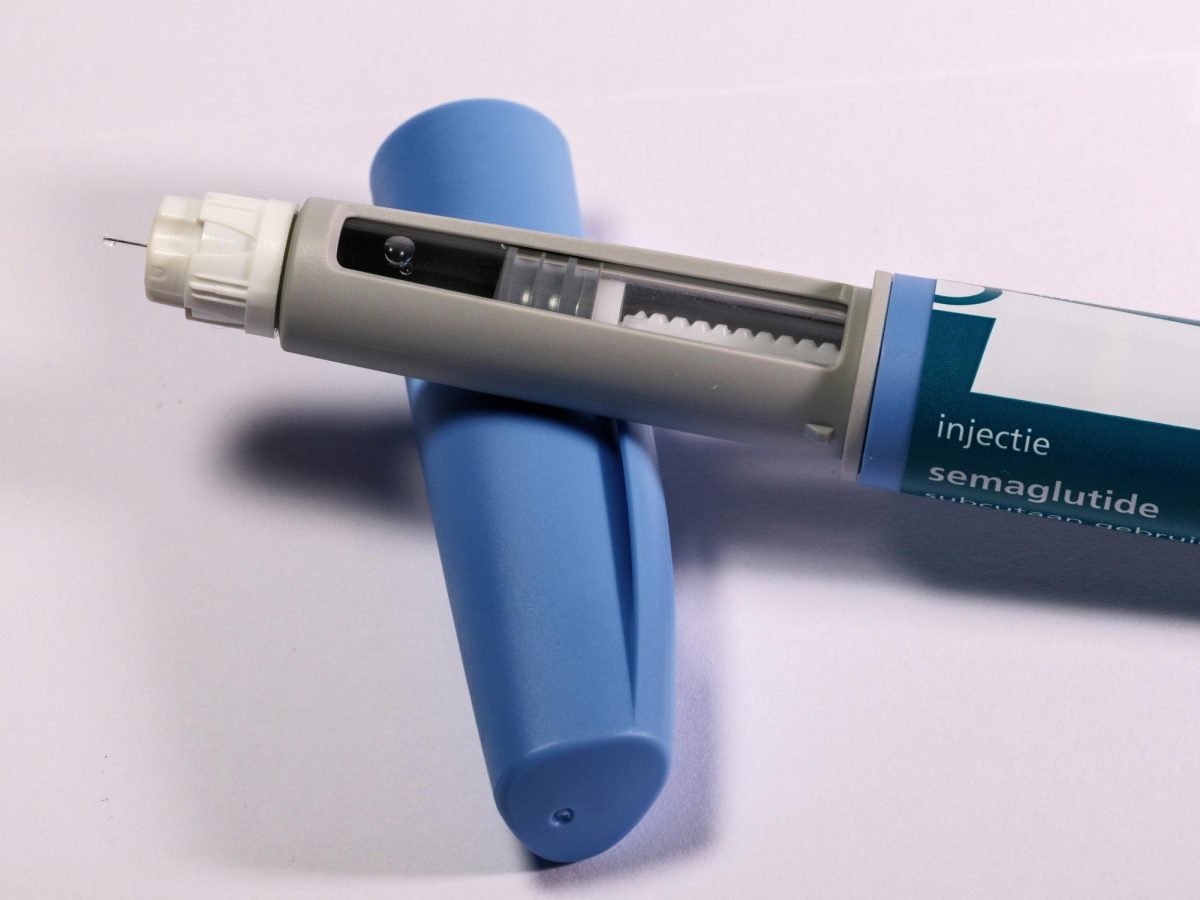
The peptide GLP-1, otherwise known as ozempic, will help.
So you want to grow muscle quicker?
IGF-1 LR3 will do the trick.
You also want to get more tan?
Well of course, you can simply take Melanotan.
Today, there is a peptide for everything to help you unlock your “greatest” potential, and millions of Americans are hooked.
The trick? Little to no regulations on proper clinical safety evaluation and approval, an extreme lack of knowledge on the long-term effects, and a wide array of immediate side effects ranging from nausea, vomiting, abdominal pain, gastrointestinal issues and more.
But that’s fine… right?
Well, what even is a peptide?
In short, a peptide is a chain of amino acids, otherwise known as protein. They occur naturally in your body and regulate a variety of functions like tissue repair and metabolism. However, today a booming “grey market” now exists online for hundreds of unapproved synthetic peptide compounds being promoted by wellness influencers as a cutting-edge and instant solution for body enhancement and health. They come in the form of injectables or oral capsules that allow people to bypass a grueling long process of fitness training to immediate results.
Wellness and fitness content creators are pioneering this new form of lifestyle wellness and millions of Americans are following. Roughly half of Americans under 50 get their health information from influencers, although Pew Research Center found that only around 40% have a formal medical professional background. The global peptides therapeutics market is projected to grow around 8.7% and almost double in market value from $164 billion in 2026 to $294 billion in 2033, showcasing its spike in popularity and dominant force.
Purchasing peptides—even unapproved ones—simply require a credit card. Third-party-tested research websites sell vials of unapproved vials ranging from $40 to $60, sometimes more. These websites sell them for lower prices and higher risks.
For many high school students, the craze may just sound like an adult-led movement. However, the chances that your own peers are using them are higher than expected.
“There are more people than you would think,” said an anonymous student in an interview with Eastside on their experience with peptide use.
Social media platforms like TikTok have been pivotal in popularizing the trend, with influencers sharing before-and-after transformations and testimonials about results. For a generation built on instant gratification, the peptide craze simply follows suit allowing “self-improvement” to take a new and more immediate form.
“I saw all of these people with big glow ups—tight skin, amazing physiques. The algorithm just kept serving it to me. I wanted clear skin, fat loss and a tan,” said the anonymous student. “I looked into it and found Melanotan 1.”
The student now uses Melanotan 1 (MT-1), a synthetic tanning peptide. He reports he has seen results with a noticeably darker skin tone, reduced appetite and some weight loss. He was initially nervous about nausea, a commonly reported side effect, but reports he has not experienced any significant reactions so far. He buys from a third-party-tested website, which he said is more expensive than alternatives with prices around $60 compared to $40. He considers the extra cost worth it for purity assurance.
He did not talk to a doctor before starting.
“Most kids are doing it on their own,” he said. “It’s just so easy to get everything you need.”
His research came primarily from TikTok for side effect information and ChatGPT and online forums for dosing measures. He acknowledges that there is little knowledge on long-term effects, but shared that he thinks the risk is worth it in his own life.
In an interview with Eastside, another anonymous student shared their experience with Peptides. He researches specific peptide compounds for specific goals, but is more cautious about where he purchases from.
“It depends on the peptide. Some you get from research sites. Some you get from the grey market—that’s higher risk,” he said. “There are so many different ones for so many different things.”
He has used Melanotan 2 (MT-2), a tanning peptide. He reported his experience to have short term side-effects such as nausea and flushing, his moles becoming darker, and a tan that looks different from natural sun exposure. At roughly $60 for 10 vials, he considers the cost accessible, however he notes that the FDA will most likely maintain restrictions on Melanotan 2 due to skin cancer concerns.
When asked about peptide popularity among peers, he guesses that somewhere between one in five and one in eight students may be using some form of peptide.
What makes peptide use among teenagers particularly difficult to track and address, is its unregulated market and lack of knowledge for both students and parents alike. Unlike steroids, which carry cultural stigma and are discussed in policy and health education, peptides are emerging in a space that most parents, coaches, and even adults who use peptides are not yet equipped to navigate.
Both students and adults are self-educating through TikTok, Reddit threads, and generative AI platforms. They are self-medicating with injectables purchased from unregulated websites. They are making dosages without medical guidance.
The peptide community online is large and growing. And for now, peptides are easy to obtain.
“Everything is becoming a business. Once everything is approved and off the banned list, they’ll be on shelves. The prices will be crazy,” said an anonymous student.
Without proper research or medical regulations, influencer culture partnered with the grey market will continue to boom. Whether peptides become even more mainstream on drug store shelves or banned in the future, the conversation on sage for most families, has not yet begun.
