















Clinical psychology, to put it simply, is the study of individuals through observation or experimentation, with the intention of promoting change. It is the most well-known branch of psychology, which classifies and diagnoses mental health problems.
The main goals of this remarkable field of psychology are to understand mental health disorders, such as depression, anxiety, bipolar conditions, and schizophrenia. It is also designed to promote the well-being of suffering people by giving them the support they need.
Diagnoses are done through a psychological assessment, during which psychologists conduct interviews with the person to learn about their thoughts, feelings, and experiences. Standardized forms are used to measure things like mood, anxiety, and personality traits. Moreover, psychologists observe behaviours in different situations to conclude patterns. Tasks or puzzles that measure memory, attention, intelligence, or other mental abilities may be administered.
The most frequently diagnosed mood disorder is depression, often called the “common cold” among psychologists. Depression is characterized by extremely low energy, indescribable sadness, and a loss of interest in once pleasurable activities. It can also affect sleep and concentration, making day-to-day life difficult for those experiencing it.
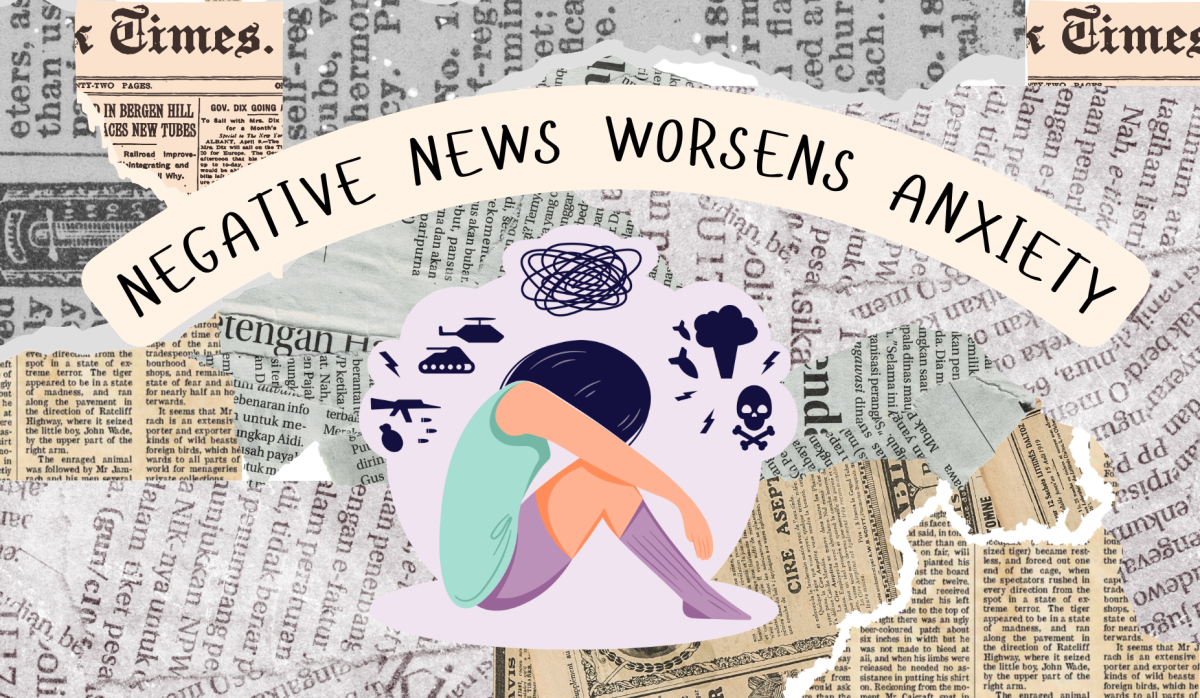
Anxiety disorders may also seriously affect the afflicted individual’s daily life, making routine activities feel overwhelming. A notable anxiety disorder is Generalized Anxiety Disorder (GAD), which causes persistent and excessive worry about everyday situations, often accompanied by restlessness, fatigue, and difficulty concentrating.
To gain more insight into clinical psychology, I interviewed Mrs. Orlando, the A/AP Psychological Studies Teacher at East.
Q: What are some misconceptions about psychology that students usually have?
“I think students will often think that psychology is mostly about mental health or personality, but it’s biological too.”
Q: Why do you think understanding psychology matters for everyday life, even if someone doesn’t plan to study it long-term?
“Everything we learn about you can relate to yourself in some way; it’s either to help understand your behavior, change your behavior, or continue to grow in the right direction, mentally and psychologically.”
Q: What role do clinical psychologists play that people often overlook?
“There are those who work with people with psychological disorders, and sometimes you find them in places you wouldn’t expect, such as in hospitals, private practices, and prisons. They do research, too.”
Q: How do psychologists usually design small experiments like the one I’m doing with music and mood?
“Within psychology, all areas have research being done, except that we use humans, so we have all the elements of experimental design that are still emphasized.”
Q: What’s one way students could use psychology to improve their day-to-day lives right now?
“Change their sleep habits, manage stress better, understand how they make decisions, and some of the things that influence their decisions. They can use [all that].”
To understand how psychologists assess their patients, I selected two students, both choosing to stay anonymous, and played them a variety of sounds. The sounds were associated with five basic emotions, ranging from happiness to disgust. The participants measured their pulse before any sounds were played and after each sound. After the heart rate was calculated, I asked them how the sound made them feel.
For the first sound, I played Happy Instrumental Sounds. Participant One said it makes them feel happy, while Participant Two said, “It makes me feel like I’m on a tropical island.” Both participants’ heart rates varied little from resting rates.
For the second sound, I played Sad Piano Music. Participant One had said, “It makes me feel as if someone has died,” and Participant Two had said, “This one makes me feel as if I’m witnessing a funeral.” Participant One’s heart rate remained the same, but Participant Two’s heart rate went up by two beats per minute.
I then proceeded to play Angry Sonatas or rapid-piano music. Participant One said it motivates them, while Participant Two makes them feel stressed. Participant One’s heart rate remained the same, while Participant Two’s heart rate went up by three beats per minute.
Next, I played Horror Music. Participant One said it makes them feel afraid, and Participant Two had said, “It makes me feel unnerved and jumpy.” Both participants’ heart rates had varied very little.
I then played Surprising Sounds, and asked the same question once more. Participant one said it makes them feel excited, while Participant Two said it makes them feel peaceful. Participant One’s heart rate increased by one beat per minute, and Participant Two’s heart rate increased by two beats per minute.
Finally, I played unruly, scratchy violin music. Participant One said, “It makes me feel weird,” while Participant Two said, “It makes me feel in pain.” Participants One and Two’s heart rates increased by two beats per minute.
From expert insights to student experiments, it’s clear that psychology isn’t just theory—its part of our everyday lives, shaping how we experience emotions, make decisions, and connect with others. Learning and understanding psychology can help you define your thoughts, patterns and ideas, as well as help you make long-term goals.