













Oftentimes, insensitivity is prominent online, but to what extent is it prominent? Where is the line drawn? Unfortunately, there is no visible stop sign for online thoughtlessness, but this especially becomes an issue when violence is introduced.
Violent images or videos are becoming easily accessible; whether you’re scrolling or even personally searching for them, they are not hard to come by. With such easy access to violent imagery, youth risk becoming desensitized to such troubling imagery. When one is constantly exposed to cruel, violent behavior, it’s easy for one of the most primal human instincts to shut down: empathy. With constant exposure to horrifying actions, people become less sensitive to them.
According to The Youth Endowment Fund, teens are most likely to experience violence on TikTok or X (formerly Twitter), and 25% found them because social media platforms promoted them through their recommendations, while only 6% actively searched for it. Types of violence seen online often include physical fights between young people, weapon violence, gang activity, and violence-glorification.
This takes a toll on both viewers’ emotional and mental health.
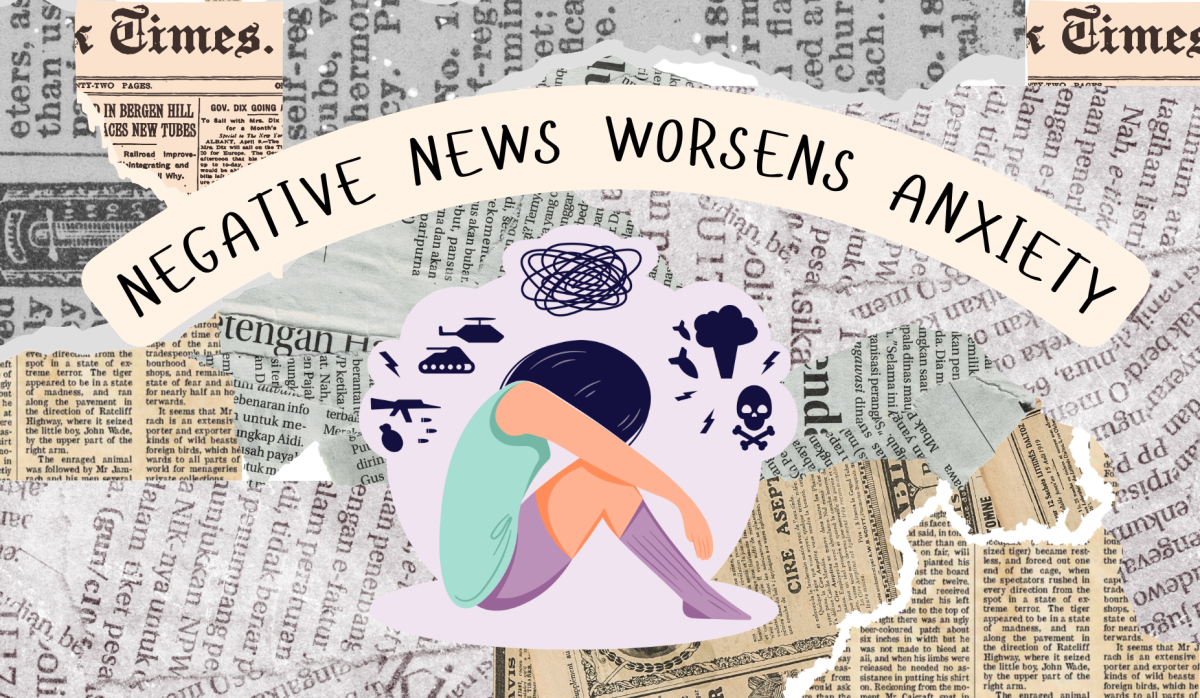
According to the American Psychological Association, children can become less sensitive to the pain and suffering of others after viewing extensive violence. They can also be more fearful of the world around them and behave in aggressive or harmful ways toward others. Violence in the media, whether it be movies, video games, the news, or social media, all takes a toll on people’s mental health — whether they realize it or not. By being constantly exposed to violence, teens and children are more likely to take out their anger and frustration by using aggression. The effects of this are long-lasting, as studies have shown that frequent exposure to media violence in childhood results in adult aggression, even if people no longer consume violent media as adults.
Eastside surveyed students’ exposure to violence, including where it’s most common and how the media moderates violent content. About 50% of respondents said they often see violence on social media, and around 40% said there is little moderation on social media. Of those who said they often see violence on social media, 80% think there is little moderation. Of those who answered that they see violence “Very Often” in the news 70% said they are “Somewhat Surprised” or “Not Surprised”.
These results show that violence is a regular part of their online and media experience, with many feeling that platforms don’t do enough to moderate harmful content. The more often they encounter violence, the less surprised they are by it, suggesting a growing desensitization and a lack of trust in media moderation.
“I think violence has become more common because the shock of seeing it is less and less, since it is so normalized. This normalization of violence is scary because our society is now used to it, even though violence isn’t OK and shouldn’t be accepted,” wrote Aliyah Gutman (‘28) when asked if she thought violence is a common occurrence online.
At the end of the day, violence isn’t just another scrollable moment — it’s something that slowly reshapes how people see the world and each other. When empathy wanes, connection wanes, and fear or aggression ensues. Often, confusion gives way to sadness and anger. The accessibility of violence on social media may seem normal now, but that’s exactly why it’s dangerous. Since algorithms can’t draw lines for humans, they have to draw lines around themselves; otherwise, they risk becoming a generation that feels less and fears more.