The power of protest: How collective action shapes society


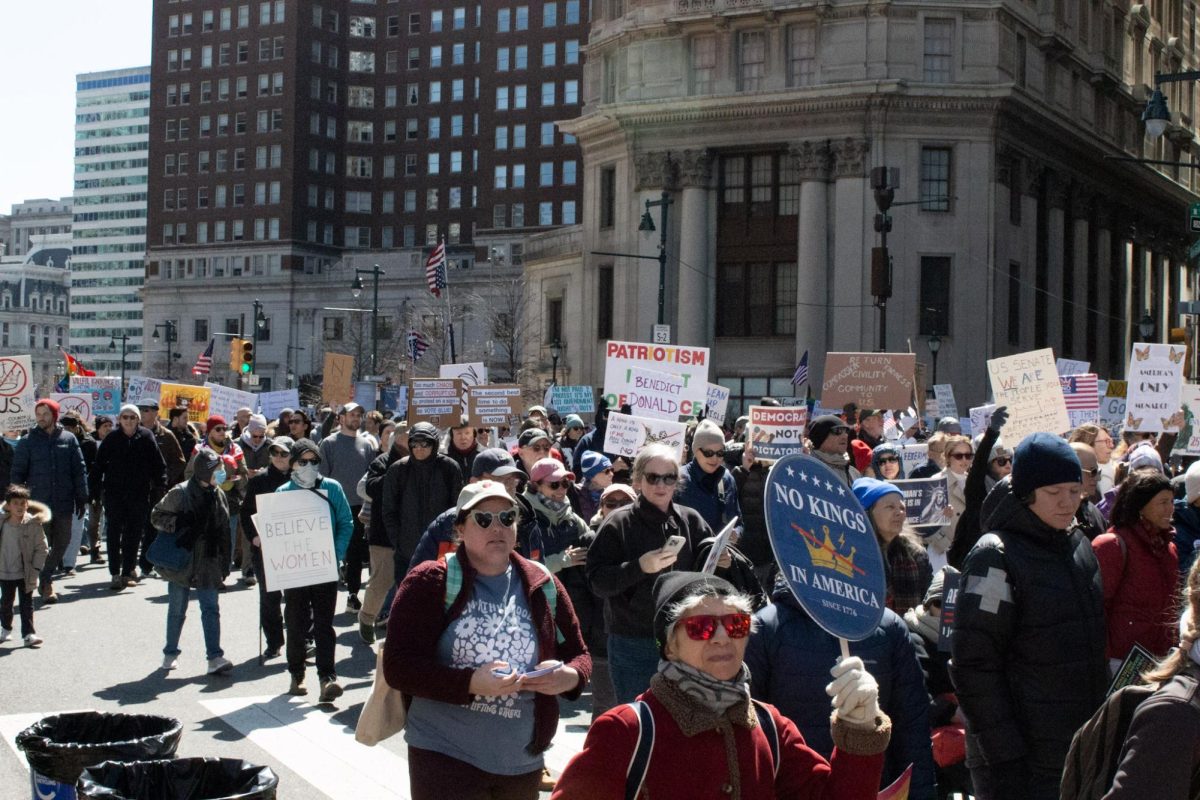
In times of political instability, public protest emerges as a visible expression of collective discontent. While skeptics question the effectiveness of activism, historical evidence demonstrates that organized resistance has often produced meaningful and lasting change.
A prominent example of this is the Civil Rights Movement in the 1950s and 1960s, in which African Americans fought to have the same rights as their white counterparts. During this movement, multiple protests occurred, such as the Montgomery Bus Boycott, which was a 381-day protest against the bus system in Montgomery, Alabama, because of the unjust arrest of Rosa Parks, a Black woman who refused to give up her seat to a white man. Nearly all of the Black community in Montgomery refused to use public transportation, choosing to walk or bike when commuting. This campaign was successful, ending when the Supreme Court ruled that the segregation on Montgomery’s buses was unconstitutional.
In addition, African Americans held sit-ins at lunch counters where they would sit at a lunch counter until they were given service. These sit-ins often ended with the protesters being beaten by other customers and having drinks and condiments thrown on them. The March on Washington in 1963 was another demonstration of peaceful protest where 250,000 people gathered in Washington to protest for racial justice and economic equality. Featuring Martin Luther King Jr.’s “I Have a Dream” speech, this march held significant power in passing further civil rights legislation. These peaceful demonstrations sparked conversation regarding civil rights and heavily contributed to the passage of the Civil Rights Act of 1964.
In addition to the Civil Rights Movement, there has been success in protests regarding American involvement in the Vietnam War during the 1960s and 1970s. The most noteworthy of these demonstrations was the Moratorium Against the Vietnam War, in which two protests took place. The Oct. 15, 1969, nationwide protest had two to three million participants, and its sister event a month later on Nov. 15, 1969, gathered 500,000 protesters in Washington, marking the largest anti-war protest in U.S. history.
The younger generation continued this sentiment in opposition to the Vietnam War, gathering in protests on approximately 1,300 college campuses. Protests at Kent State University and Jackson State University gained national attention when student protesters were brutalized by police violence. In response to the nationwide opposition to American involvement in the Vietnam War, the president altered plans for American involvement after seeing how the nation became unified in protest, ultimately resulting in the American withdrawal from the Vietnam War.
In a more modern perspective, the power of protest can be seen in the nationwide No Kings rallies and protests that are in opposition to the second Trump administration. After a series of protests, stemming from the June 14, 2025, No Kings protest which gathered five million protesters in all 50 states, the funding of the Department of Homeland Security has been blocked by Democrats in the Senate, proving how successful peaceful protests can be.
Events in history and modern day examples shed light on the power of protest, proving how — when demonstrated peacefully — they can bring about major reform and draw attention to underlying issues. Aside from immediate policy changes, protests also shape public discourse, influence national culture, and pressure the government to respond appropriately. While not every movement achieves its goals instantly, the cumulative impact of sustained activism has repeatedly proven its ability to drive progress and hold institutions accountable.
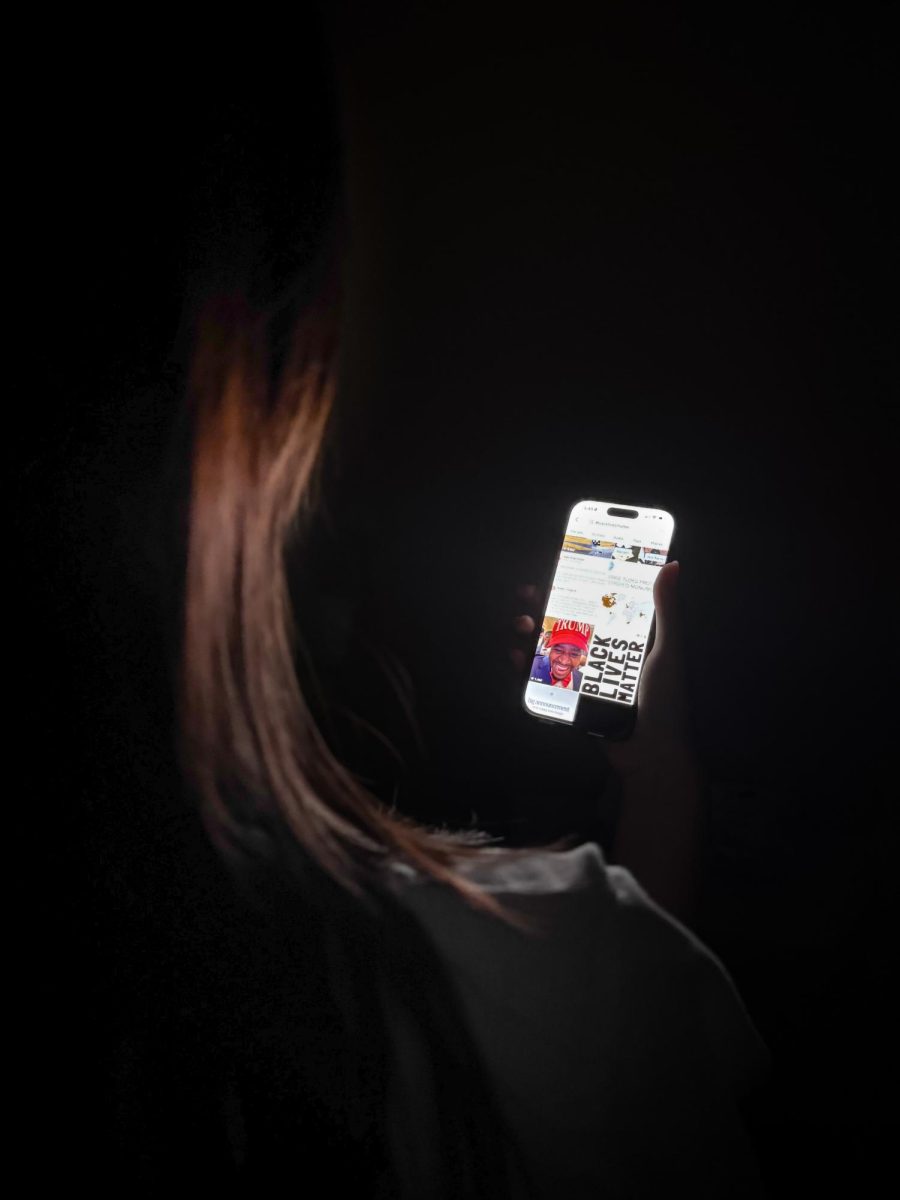
In an ever-expanding digital age, people have found a new way to share their political views: online activism. This form of advocacy can be found on social media through dedicated accounts and hashtags, and on websites that include space to donate or sign petitions.
Online activism has grown in popularity since the COVID-19 pandemic, in which online activism was realistically the only form of activism. After the pandemic, physical forms of activism resumed, but many pockets of online activism remained. As technology has become more accessible, online activism has allowed for movements to reach a larger audience while overcoming geographical barriers. While the effectiveness of online activism is debatable, the intention to bring about change remains the same as its in-person counterpart.
The most common form of online activism is through social media. Platforms such as Instagram, Facebook, and X provide sources for politically-active individuals to share their opinions on the internet. Whether unbiased or partisan, this information contributes to a more informed generation regarding politics and social movements.
Digital advocacy has been gaining popularity, but many believe that it is not an apt substitute for physical forms of protest. Throughout history, in-person forms of protest, such as sit-ins, marches, and boycotts, have had a much stronger impact on others and a higher likelihood of bringing about change.
“I think that [online activism] is a step in the right direction. I think if we’re comparing it, there is nothing that compares to physical connection,” said an anonymous protester from Philadelphia’s No Kings protest on March 28.
Other protesters shared a similar sentiment, stating that online activism is beneficial, but most effective when paired with a physical movement. This includes social media pages promoting dates for marches or informing mass groups of economic blackouts.
On a larger scale, online activism can create massive networks of support through hashtags. One of the most notable examples was in 2020, when #BlackLivesMatter reached its peak usage after the murder of George Floyd. In the five months following his death, the hashtag was used approximately 25.5 million times. This instance of online activism demonstrates how a movement can be connected to millions of people from all over the world, raising awareness of significant global issues.
Although it is generally considered the most prominent, social media is not the only tool that facilitates online activism. Websites that take donations or feature a space to digitally sign petitions provide activists with an additional platform to express their opinions and stand up for their beliefs.
Online petitions have gained popularity because of the convenience of a digital signature rather than having to appear in person. Websites such as Change.org offer a place for anyone to create a petition in minutes. The success of the campaigns vary, but some have made notable progress.
In 2020, when online activism was commonplace, the Justice for George Floyd petition formed, becoming the largest in history with 19 million signatures. This petition contributed to the arrests of the four officers involved in Floyd’s murder and called for police reform.
A few months prior was the Justice for Elijah McClain petition which gained over two million signatures that demanded a fair and independent investigation into the murder of McClain. From this petition, a lawsuit was raised, and the city made a $15 million payout to the McClain family.
Online activism provides a way for individuals to voice their opinion to all kinds of people without the geographical barriers that physical activism entails. Although not a replacement for physical demonstrations, certain digital movements such as #BlackLivesMatter and online petitions show how online activism can enact significant change.
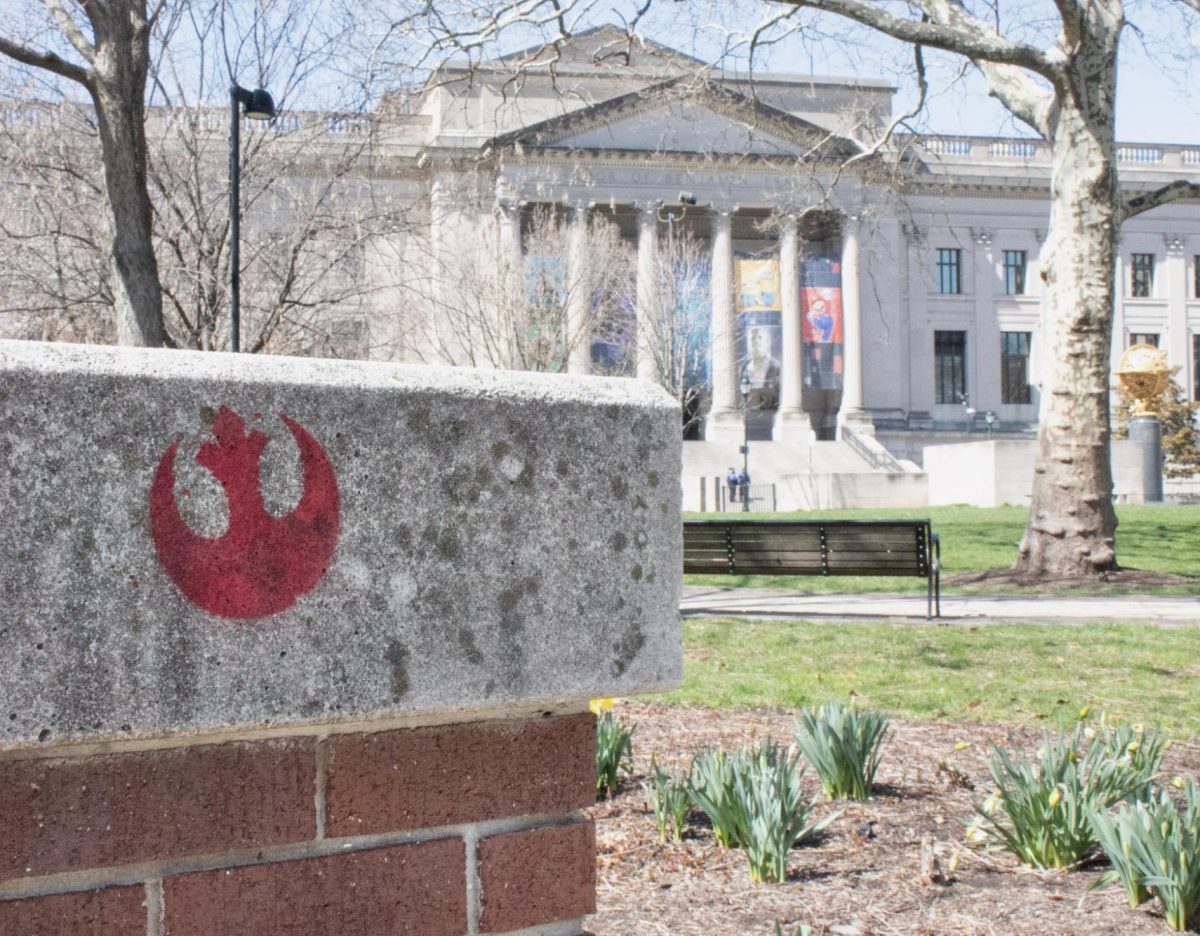
During the height of the protests against American involvement in the Vietnam War, the peace sign — one of history’s most iconic symbols of protest — rose to prominence, with its widespread use illustrating the power of one symbol to amplify voices and turn individual dissent into a united movement. Since then, symbols of protest have evolved, including meaningful phrases and creative works of art that function as a more subtle, yet equally powerful method of protest in comparison to conventional marches and rallies.
For example, when George Floyd was murdered by a police officer on May 25, 2020, his last words — “I can’t breathe” — became a symbolic phrase associated with the quickly rising Black Lives Matter (BLM) movement. As protesters took to the streets, his famous words could be seen plastered on picket signs and depicted in graffiti and murals across the country. The use of his last words as a hallmark of the BLM movement immortalized his memory as a victim of systemic racism. Simultaneously, it connected the protest with a tangible instance of racial violence that now serves as an immutable motivation continuing to drive the movement forward today.
Similarly, throughout President Donald Trump’s second term, art has become a particularly popular method of protest, with numerous satirical statues and sculptures appearing at the National Mall in Washington, D.C., criticizing some of his controversial actions. Since September 2025, four different installations have been constructed by a group called The Secret Handshake, including two statues of Trump with child sex offender Jeffrey Epstein, a sculpture of a golden thumb crushing the Statue of Liberty, and most recently, a giant golden toilet. All of which protested against Trump’s alleged relations to Epstein, controversial use of executive power, and remodeling of a White House bathroom amid the October 2025 government shutdown.
In general, the strength of protest symbols lies in their ability to simplify a complex political or social struggle into something more immediately recognizable and emotionally resonant. Whether it be Floyd’s last words or provocative art installations, these symbols condense collective outrage, grief, and defiance into forms that can be easily shared, remembered, and replicated. As a result, people who may not participate in conventional forms of protest are still able to engage with and spread a certain message.
Although these symbols may not independently create tangible change, they serve a unique purpose as an alternative medium of expression to advocate for a cause or inspire action. By utilizing culturally significant symbols, art, or phrases, many protesters aim to provoke audiences into supporting a particular cause or, at the very least, critically thinking about the topic at hand. In an increasingly visual age with the rise of social media, these symbols can galvanize entire movements and encourage common citizens to challenge the status quo and keep authorities accountable in societally beneficial ways. Ultimately, protest symbols — whether they be phrases, images, or art — enhance accessibility to activism and transform individual voices into unified demonstrations, leaving a lasting imprint on public consciousness and shaping the course of social and political discourse.
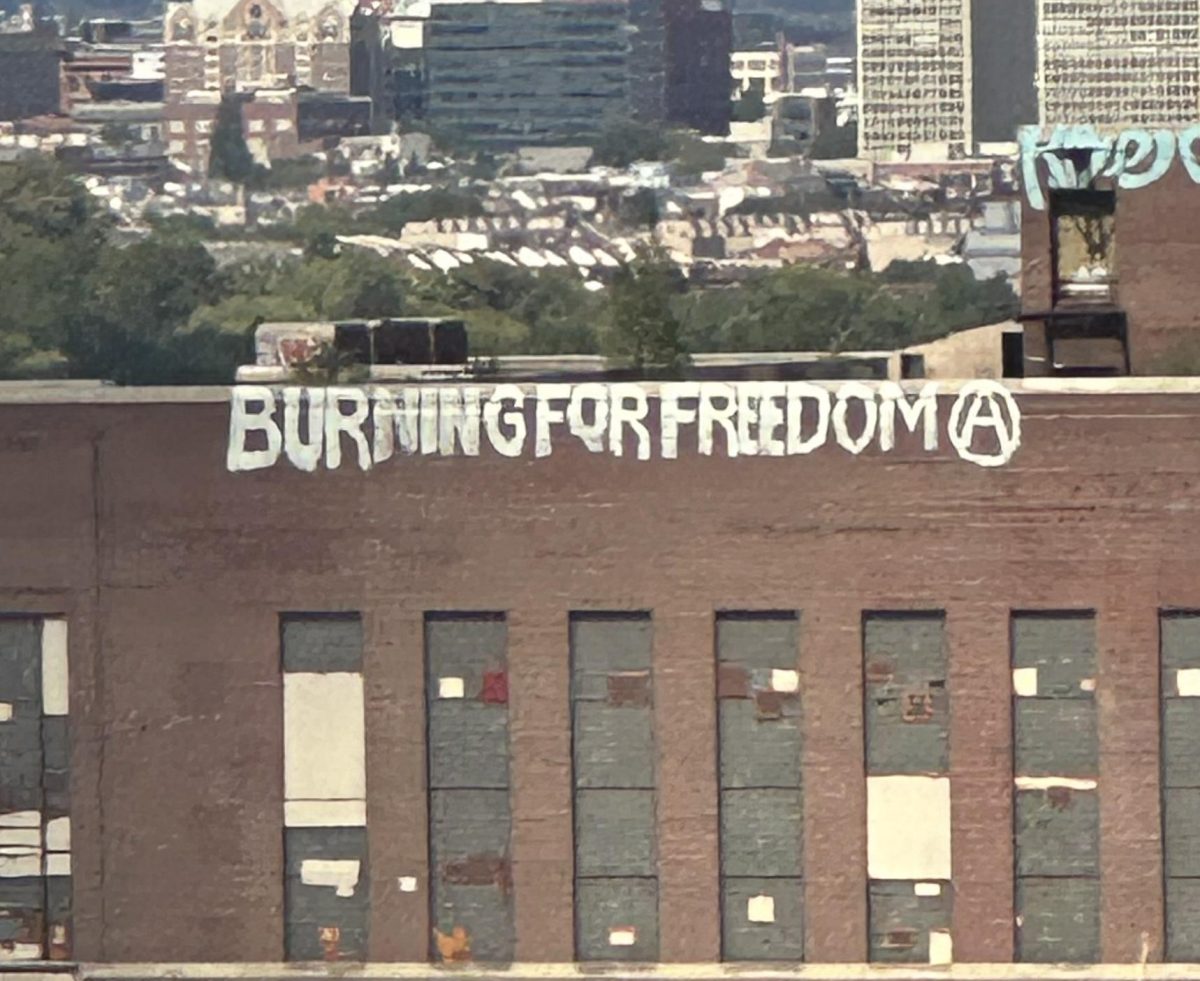
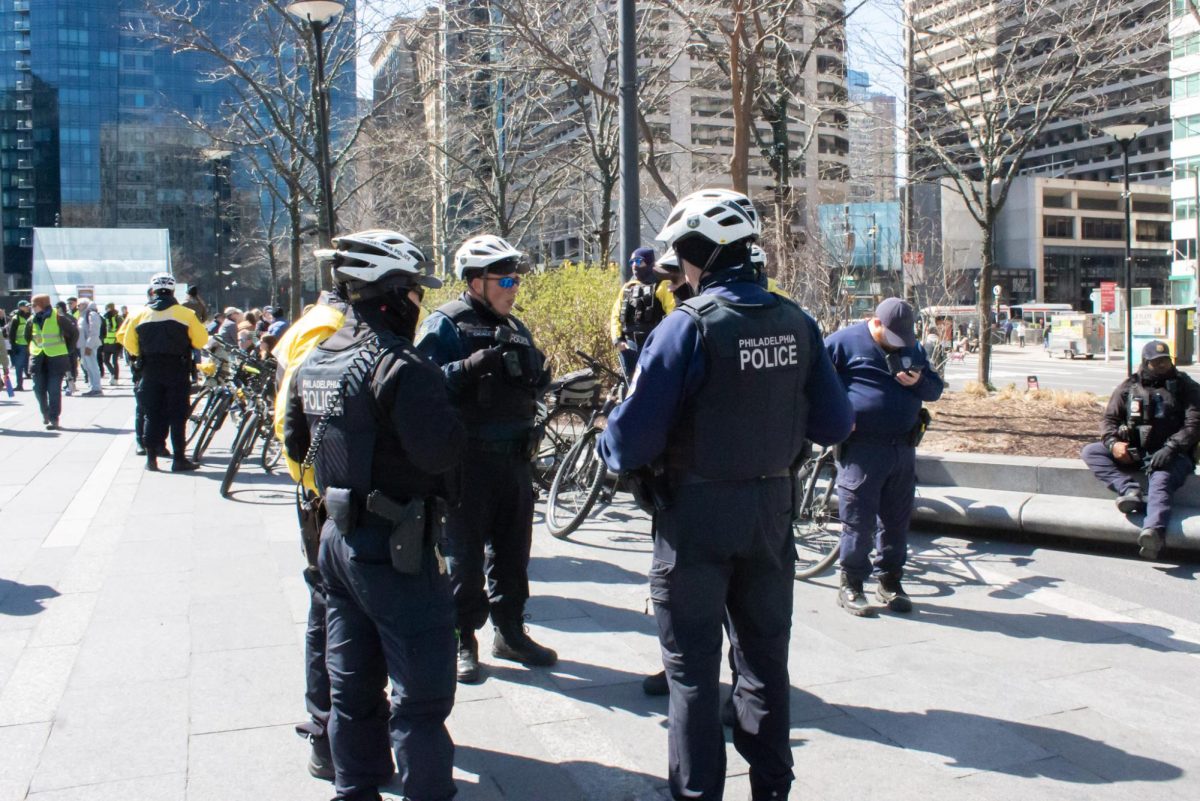
Enshrined in the First Amendment of the United States Constitution is the right to assembly, enabling all Americans to voice their public opinion in the form of protests and demonstrations. Like many constitutional issues, though, this right is not absolute. In an age of increasing activism and resistance to those in power, the line between peaceful protest and dangerous rebellion becomes blurred. These barriers can — and often do — bleed into society, resulting in various consequences and raising the question of what exactly the limits of protests are.
Choosing to engage in a protest can bring about many risks for those involved. For one, the safety of protesters is not necessarily guaranteed. In an Auburn No Kings protest on March 28, six attendees were injured by a suspect who fired BB pellets into the crowd. An additional 75 people were arrested at a Los Angeles No Kings protest, while multiple federal officers were pelted with slabs of concrete. Thus, there are physical risks associated with simply participating in a protest of any size or context.
With the establishment of a protest comes additional legal restrictions on when and how they can occur. Governments can determine the reasonable “time, place, and manner” for any demonstrations that take place. They can schedule hours aligning with city needs, plan a specific route to minimize obstruction to productivity, and limit excessive noise or disruptions to the public. These parameters are designed to keep protests reasonable while still allowing the people to display their collective voice.
However, protesters are subject to their own rights, which are not to be infringed upon. According to the American Civil Liberties Union, protesters in traditional public forums — including streets, sidewalks, and parks — can speak out so long as they do not interfere with surrounding government buildings or private property. Additionally, they can photograph as they please due to there being no expectation of privacy in a public setting.
Even with these rights, hostilities often arise between opposing groups. Police are supposed to break up any physical altercations between protesters and counter-protesters, but are expected to protect both groups’ rights to assemble within the same vicinity. In an era of increasing political polarization, this has caused numerous confrontations, especially within the recent context of Israel-Palestine protests. Clashes in Los Angeles and New York universities were especially dangerous due to the numerous conflicting parties involved.
Ultimately, a vast majority of protests are both peaceful and successful. Research from the Armed Conflict Location and Event Data group found that of the 7,750 demonstrations during the peak of the Black Lives Matter movement in 2020, over 93% featured no violence whatsoever. Many were surprised at this figure, since media sensationalism tended to focus on the few exceptions of rioting and police brutality as compared to the many successful examples of democracy in action.
No protest will ever exist without the persistence of some risks to the people who choose to participate in them. It is inherent to their nature that some will be opposed to any given demonstration, and despite the best efforts of managing parties, conflicts have the potential to break through. Despite this, statistics show that with the existence of reasonable barriers, most protests will be wholly safe and accomplish what they hope in terms of amplifying support or opposition for a given group. Even so, it is important to recognize one’s rights while protesting and to speak out if they are ever violated.