
Exploring the digital aesthetics of East


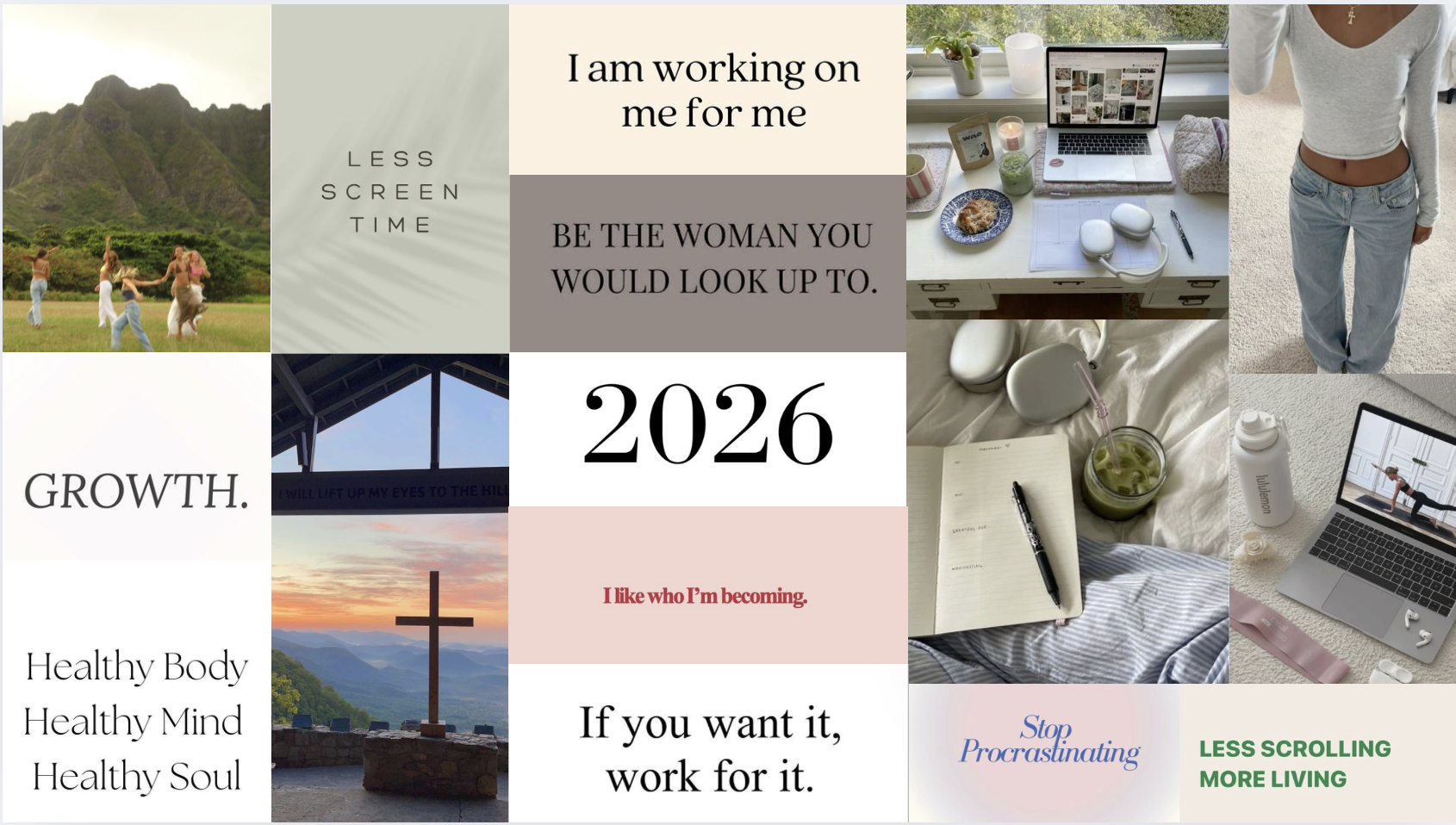
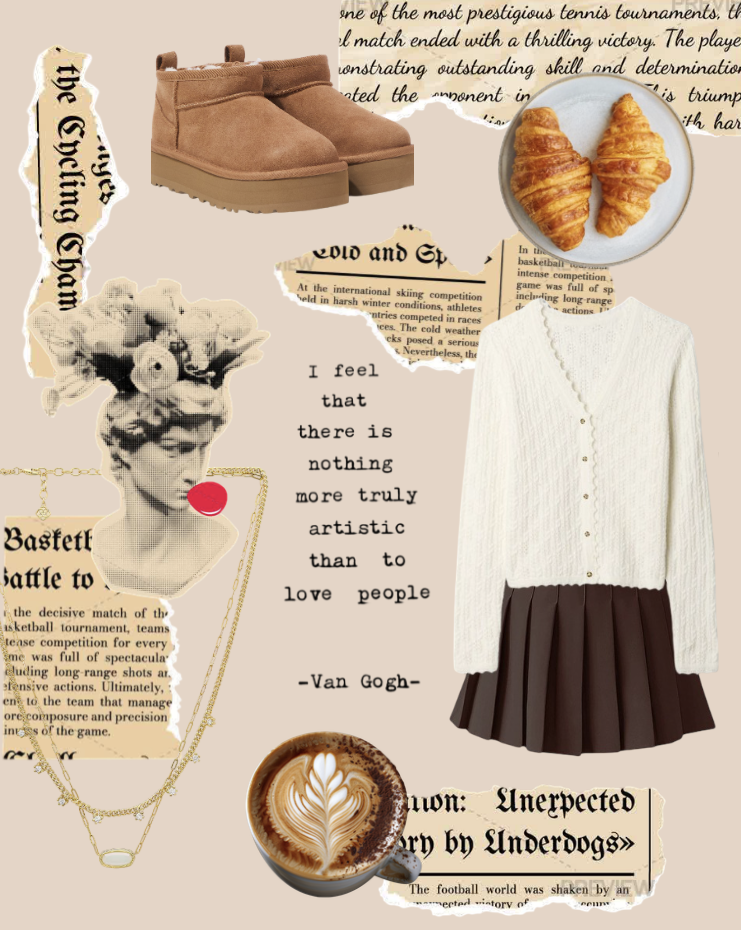
As people grow more dependent on social media and the internet, they have grown more conscious of how they appear online. Some have taken this consciousness to the next level by curating their social media accounts to portray themselves under an aesthetic lens.
Minimalist, cyberpunk, pastel and Y2K are examples of digital aesthetics that many social media accounts have developed. On Instagram, account holders create a certain online identity by mixing solo shots, group photos and landscapes that fall within the aesthetic they are developing on their account.
Digital aesthetics communicate identities and help creators confide in other accounts with the same aesthetic, building a community. Recently, the use of digital aesthetics has grown in popularity because of the growth of social media and the development of editing softwares.
Social media platforms have made it easier than ever for people to present their online identities within certain digital aesthetics. Accounts on Instagram, TikTok and Pinterest, for example, have fallen under these categories. Accounts that are able to attract their target audience will gain the most followers, shares and likes. Thus, to achieve popularity, many of these accounts follow a digital aesthetic to maintain a niche audience.
Editing softwares can change photos to have them fall under a certain aesthetic. When creating a feed under a digital aesthetic, many account holders will use editing softwares to adjust the lighting or colors in their photos to ensure consistency within their feed. Since editing software has become more available, people have edited photos to fit into a digital aesthetic, taking advantage of the opportunity.
Overall, digital aesthetics allow people to express themselves online by confiding in the community they create. They are able to share their emotions and use their online platforms as a creative outlet.
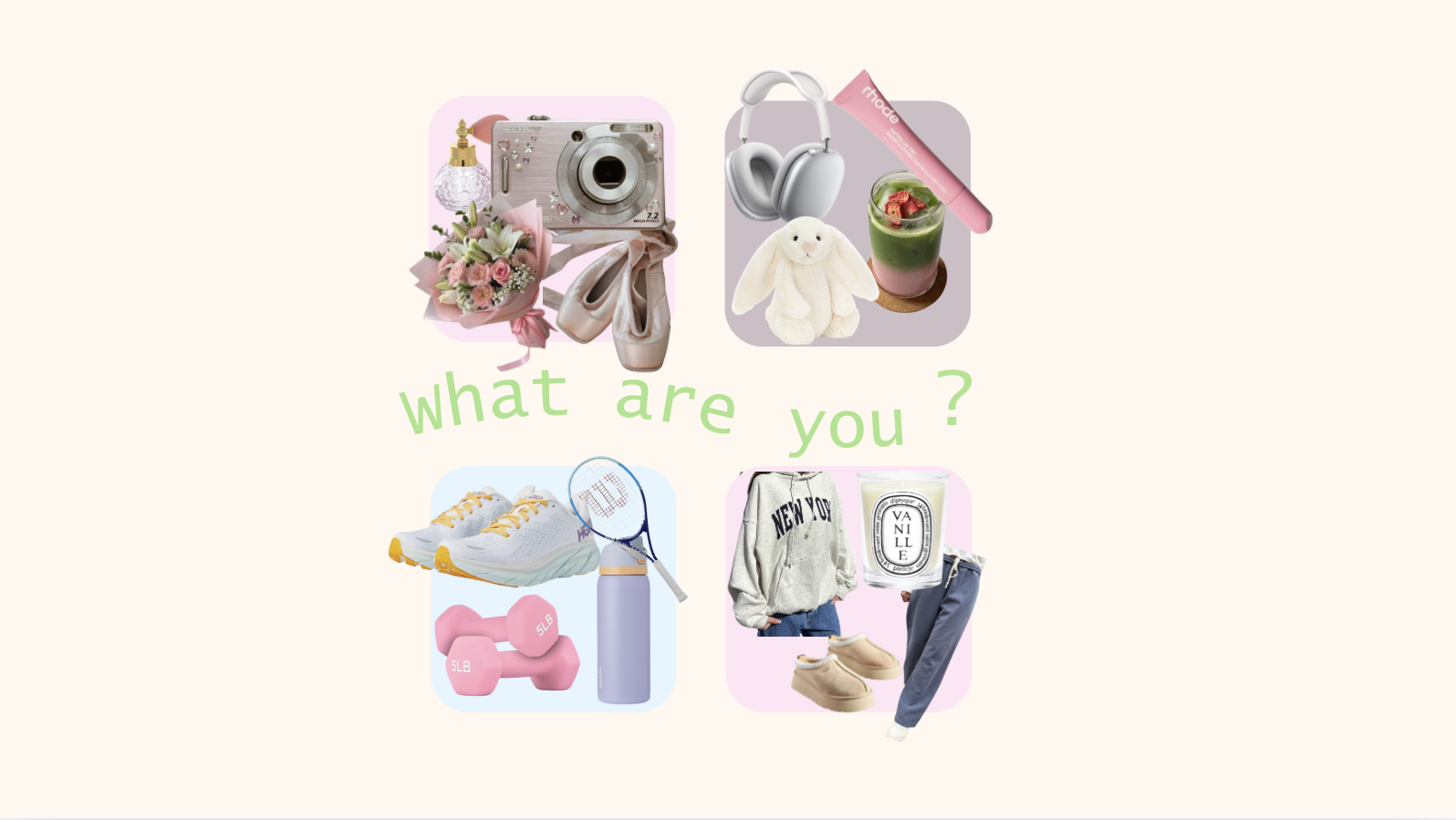
For many students, high school symbolizes a time to explore different identities and styles. Today, the various stylistic choices and identities that students take on can be classified as “aesthetics.” From traditional distinctions such as goth and preppy to newer additions such as indie and clean girl, aesthetics provide students with an identity and guide for how they present themselves day to day.
The Clean Girl:
Minimalism, slick backs, and pilates—the clean girl aesthetic has captured the heart of many young women in 2025. The “Clean Girl” phenomenon centers around appearing constantly put together and maintaining a healthy lifestyle, often serving as inspiration for self-improvement.
“It’s all about looking effortlessly polished with sleek hair, minimal makeup, neutral outfits, and simple accessories that feel calm and put together,” said Bianca Laudano (‘27). “It’s appealing to younger girls because it makes them feel grown in a way and classy, but still overall very productive while still fitting into everyday school life and social media trends at the time.”
The aesthetic’s popularity reflects a broader cultural shift towards wellness and intentional living, presented as an ideal lifestyle on social media for students seeking both style and substance.
Alt/Indie:
Born during the isolation of quarantine, the alt/indie aesthetic exploded online as students explored creative self-expression from their bedrooms. This style embraces unique individuality through vintage finds, bright colors, layered jewelry, and eye capturing patterns. What started as a pandemic era for many had evolved into a lasting identity with students curating thrift store wardrobes or having a tote bag full of chunky accessories.
Athleisure:
For many of the student athletes at East, athleisure is not just an aesthetic, but a necessity. This aesthetic is a go-to during sports seasons with sweats and athletic wear. Their social media feeds are constant reposts of their next games and they are seen in the hallways carrying two bags: one for sports and one for school.
“I feel as though I base my style through comfort and confidence,” said multisport athlete Dylan Kratchman (‘27). “For sports, it’s important for me to be comfortable in the clothes I wear to school while also wearing things that are fun and represent my style—sometimes for games I’ll prep my hair with a slick back.”
Athleisure demonstrates how functionality can meet identity in the hallways at school.
Burnout Core:
Finally, an aesthetic that almost all students embody at some point during the school year; for some, it has become an identity: the burnout core. The aesthetic speaks to a generation struggling with academic pressure and extracurricular demands with a looming college application season around the corner. Often wearing sweats and taking casual care in their appearance almost deliberately, some students outwardly share their stress through this identity to find solidarity in shared struggle.
Ultimately, these aesthetics are more than just fashion preferences, reflecting how students navigate identity in a blend of both online and offline worlds. Whether carefully chosen or subconsciously adopted, each aesthetic offers students a visual language of who they are in a Gen-Z world.
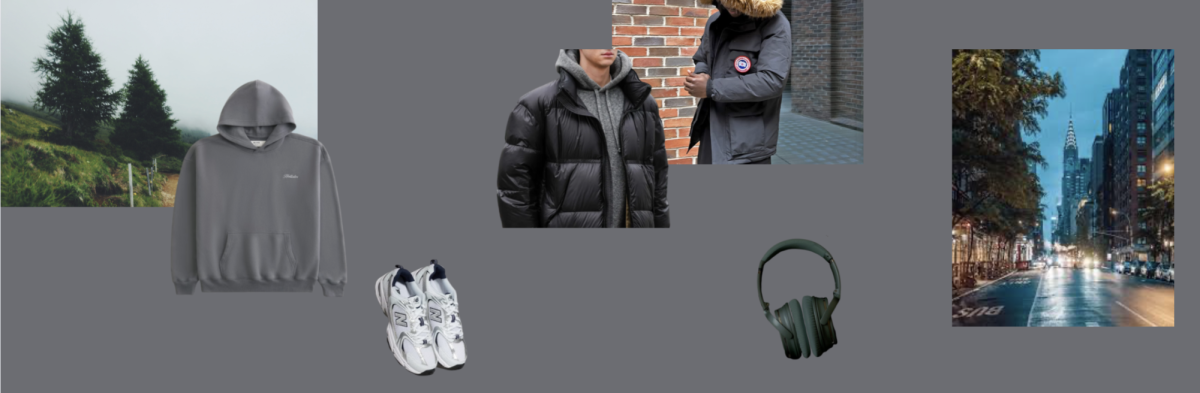
Digital aesthetics are often given a bad reputation for its personalized feeds, edited photos, and online trends. Critics argue that they encourage comparison, over-editing, and constant performance, translating to stress or a low self-esteem. While these concerns are reasonable, they overlook the ways in which digital aesthetics can be used as tools to empower individuals. When used properly, digital aesthetics allow teenagers and young adults to express themselves creatively in ways that would not be possible offline.
Digital aesthetics offer an opportunity for individuals to experiment freely with different identities. In person, people face judgement, societal norms, and financial limits, making someone searching for new identities and styles intimidated. However, using online platforms can help people experiment without fear. Someone who might feel uncomfortable expressing themselves out in public can safely create a digital platform, testing out different identities in a safe space. This process can help individuals better understand themselves and boost confidence, rather than conforming them to a single identity.
Digital aesthetics also promote creativity. Creating visually appealing content online requires detail, thoughtful planning, and artistic skill. Something that may seem “over-edited” is a result of hours in experimentation, learning, and practice, helping build skills in photography, design, or storytelling. These skills can even translate into real opportunities and careers, proving that digital aesthetics are far from meaningless—but rather a modern form of creatively expressing oneself.
Another important benefit is the sense of community in which digital aesthetics create. Many people find those with similar interests, styles, or personalities through shared aesthetics, developing specified communities for them. Some may feel lonely in their offline lives, but these communities offer a sense of belonging and an opportunity to connect with similar minded people. These connections can be crucial in providing support in ways that offline spaces cannot, especially for young individuals who are still forming identities.
While some argue that digital aesthetics widen the gap between online life and reality, that gap is not necessarily negative. Online spaces have always allowed people to convey curated versions of themselves, just like movies, shows, and advertisements have allowed for. Digital aesthetics work similarly: they are imaginative and expressive. They do not have to reflect reality to show value.
Ultimately, digital aesthetics are not the cause of low self-esteem or stress. The issue lies in how people measure their worth against them. When used thoughtfully, they allow individuals to be creative, find community, and discover identities that represent themselves in a digital world.
Digital aesthetics arguably create a mentality of comparison that begins a cycle of performing and jealousy. Ultimately, attempting to achieve unattainable perfection ends up brewing feelings of inadequacy for account holders and their followers.
Accounts that follow digital aesthetics curate their feed to ensure that their best side is presented online. Since they are selective of what they post, they ensure that only the best aspects of their lives are shared through their aesthetic.
In order to make certain aspects of their feed fit into their aesthetic, many creators will edit their photos through various lighting techniques or editing software, distorting the reality of their photos. The view of the account from its followers has large disparities to the truth of the account holder’s life.
Creating a digital aesthetic is much like a performance, where flaws are masked and successes are embellished. That being said, the imperfections of life are treated as “less than” their counterparts, causing many people to lose a sense of self-worth from constantly critiquing the inevitable flaws of life. Digital aesthetics are not accurate depictions of real life; rather, they are a performance. This performance evokes feelings of inadequacy in the owner of the account, along with creating unrealistic expectations of life for the viewer.
Maintaining digital aesthetics is stressful and time-consuming. Time is wasted on managing their online appearance rather than the actual content of their profile. This perfectionism is draining and continues to cause many creators to experience burnout. Accounts that once had a variety of posts would narrow their feed to fall into a digital aesthetic but would end up over-editing and obsessing over the aesthetic rather than their account as a whole.
Certain aesthetics are tied to certain body types, lifestyles or wealth, aspects that many people cannot afford or replicate in their own lives. In these cases, certain digital aesthetics become only applicable to specific classes of people, causing a sense of exclusion.
Aesthetics that are popular one month can become outdated the next. These short-lived trends make creators constantly have to keep up with what is trendy, redesigning and changing their feeds to match mass media. Trends are constantly changing, which means that the most popular digital aesthetics are too. When an account sticks to one digital aesthetic, they will either become outdated or have to keep changing as time goes on. These micro-trends make digital aesthetics outdated because they can’t keep up with the speed of fluctuating trends.
Overall, digital aesthetics cause stress for the account holder and harmful mindsets for their followers. They portray unrealistic expectations of life and waste time for those accounts because they feel pressured to change with the times or risk becoming outdated.
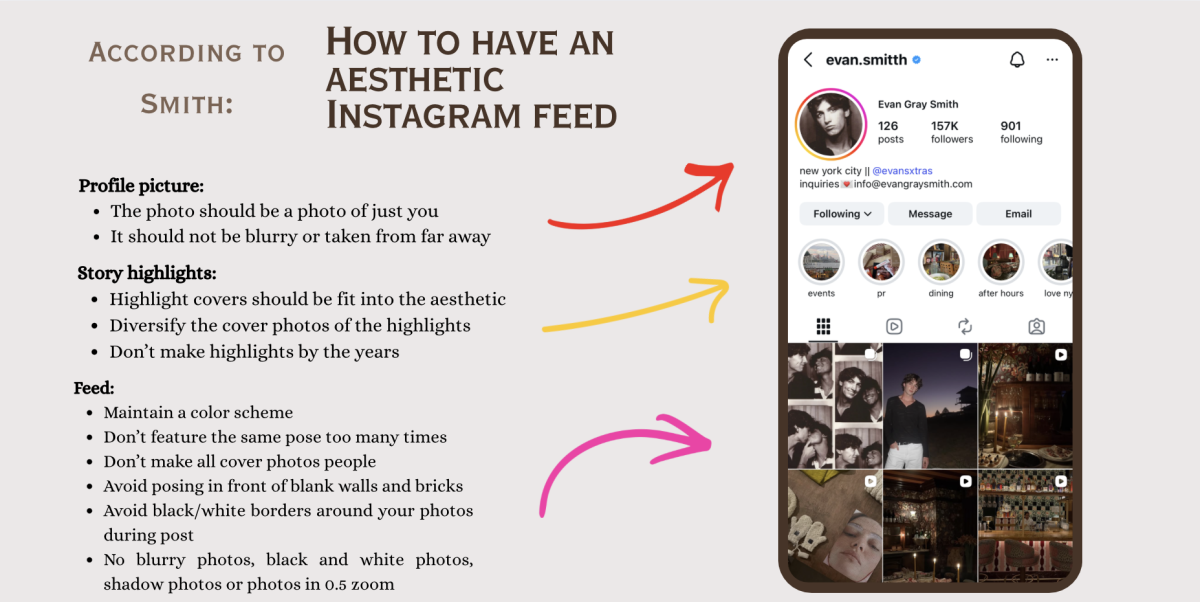
Evan Gray Smith gets paid to tear apart Instagram accounts, but only for those who can’t keep their digital aesthetics straight. He has accumulated over 400,000 followers on TikTok and 150,000 followers on Instagram, gaining a surge of popularity when he began his series: Instagram rating return. In this series, he dissects the feed, bio, highlights and profile pictures of the accounts who paid for his opinion.
Smith charges $12 for private feed reviews and $25 for feed designs. Smith has given advice to over 500 accounts, not including the free advice he gives to celebrity accounts. Above is an infographic that compiles the main advice Smith gives to maintaining an organized digital aesthetic.