AI in the classroom: A tool for comprehension or classroom chaos?


Although artificial intelligence (AI) is commonly criticized for its role in helping students cheat or avoid doing their own work, there are also certainly areas where this technology increases equity, accessibility and comprehension.
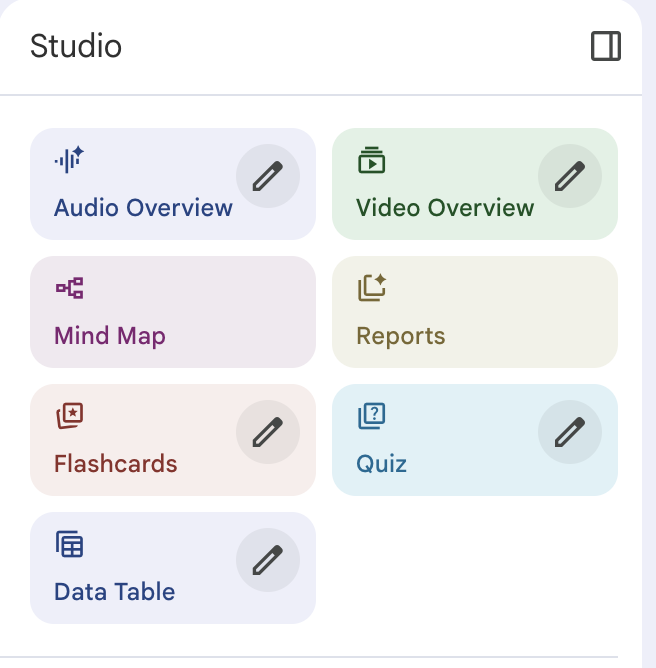
For one, AI can support students who learn in different ways — visually, auditorily, or through rote memorization — when traditional classrooms fall short. Students can ask AI to create videos explaining concepts, mind maps displaying the connections between topics and flashcards for studying. Especially since most study guides handed out in class simply involve answering basic questions, students are largely left on their own when it comes to preparing for tests. For those who prefer listening to audio explanations or comprehend material better when ideas are visually drawn out, AI serves as an important supplement to conventional teaching.
Additionally, AI can provide individualized instruction in ways that teachers cannot. While teachers have to juggle classes of twenty or thirty students — often with varying levels of comprehension — AI tools can work one-on-one with students on topics they struggle to understand. Available at practically any time and able to answer questions repeatedly without frustration, AI can fill gaps that teachers may unintentionally miss. No matter how good a teacher is at explaining a certain concept or problem, there may be students who don’t understand. In the same way that many East students rely on private English or math tutors, AI offers extra academic support.
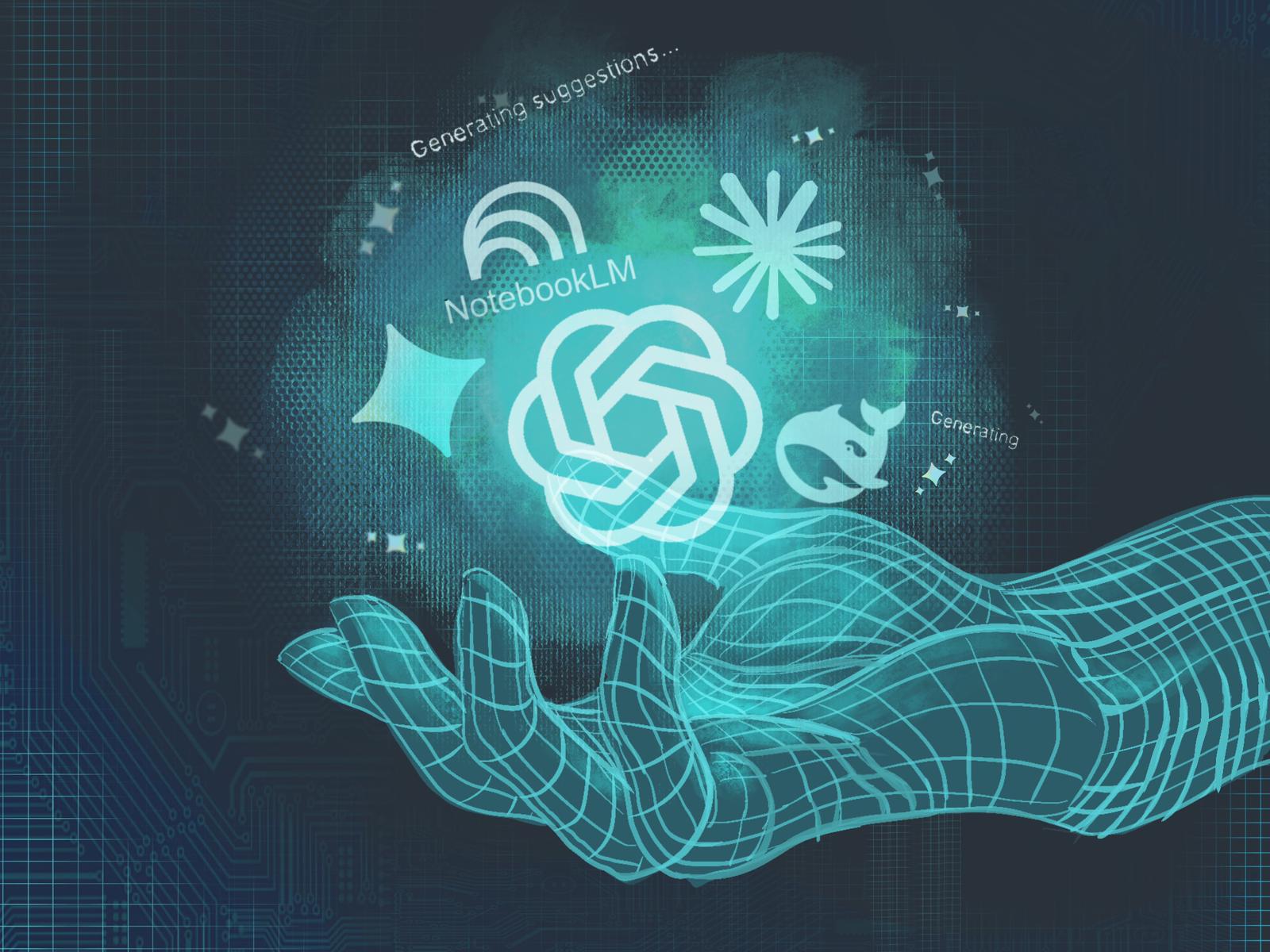
Specific tools like NotebookLM, which is an AI-powered research assistant built on Google’s Gemini models, have quickly become popular thanks to their unique features. For example, NotebookLM’s “audio overview” function generates a podcast-like explanation of the users’ uploaded notes. It can also create similar “video overviews” in multiple different languages, complete with graphics and a voiceover.
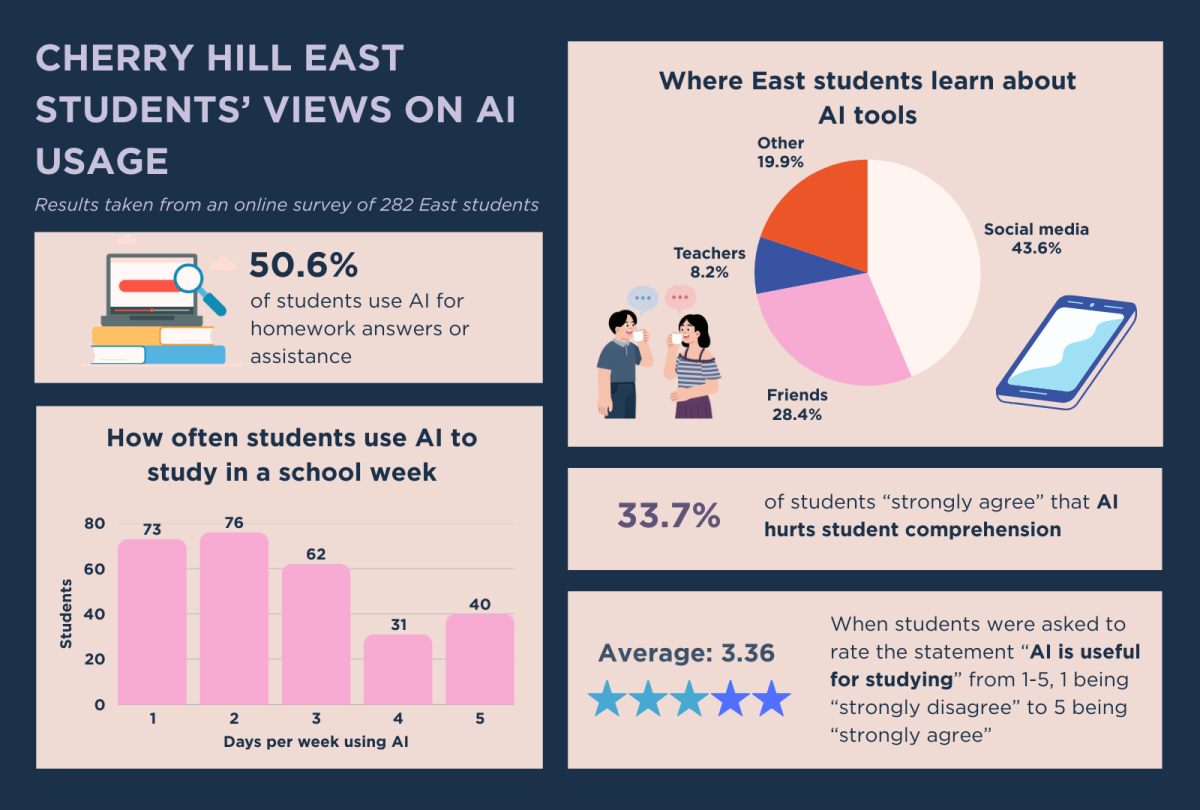
Even without these specialized tools, AI models such as ChatGPT and Gemini can help students break down difficult concepts and feel confident. According to a survey of 280 East students, those who use AI use it to create practice quizzes, explain concepts they didn’t understand and generate study guides. More broadly, a recent Student Wellbeing Study by Studiosity found that 82% of students in the United States have used AI for assignments or to study. Technology is becoming ever-present in all parts of education, whether we like it or not. When used responsibly, AI can be a necessary part of student learning.
In the span of just a few years, the way students study has completely transformed. As more students turn to artificial intelligence (AI) for academic assistance, AI tools like ChatGPT, Notebook LLM, MindGrasp and StudyFetch have gained significant popularity.
As AI startups enter an increasingly oversaturated market, traditional marketing becomes less effective at reaching their target users, which, in this case, are students. Thus, more startups have turned to influencer marketing as an alternative way for companies to directly push their tools onto students through social media.
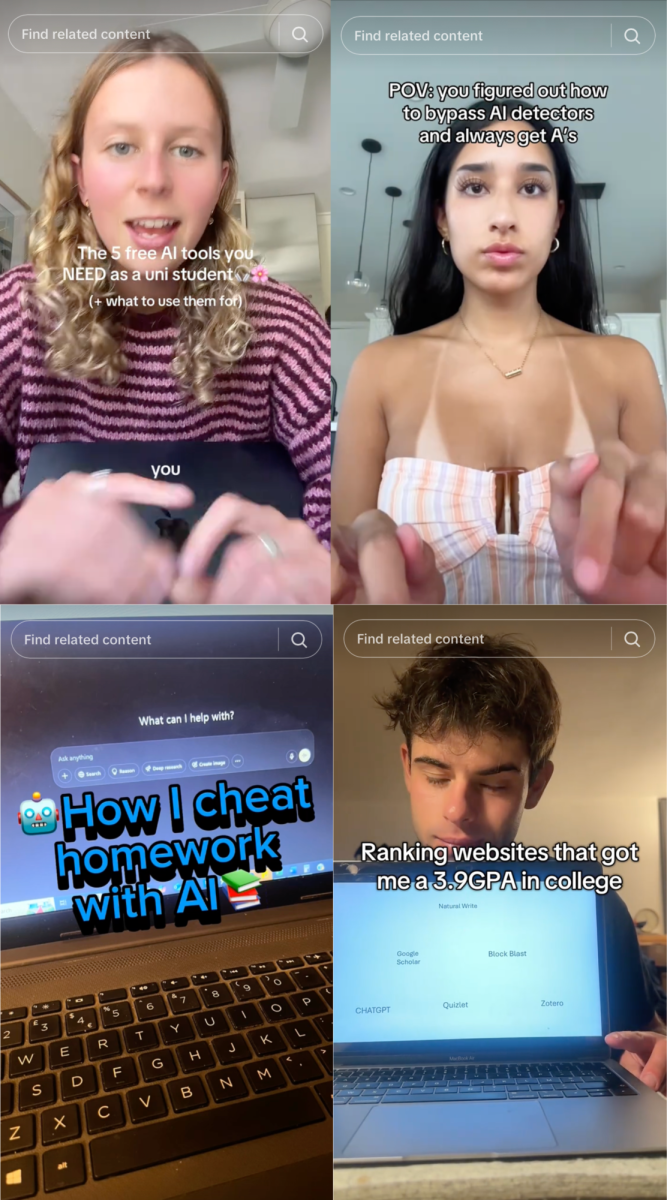
All across social media platforms, content creators, most of whom are high school or college students themselves, promote AI-powered study tools with promises of higher grades and faster learning. Through tutorials, they show how, by simply uploading a set of textbook pages or notes, AI can generate summaries, practice questions, and study guides based on the inputted content within seconds. By watching a peer use AI to generate notes or supplementary study material for their own studies, students may feel more convinced and inclined to trust the new technology.
Additionally, various trends on social media can be tied to the promotion of these AI tools as well. For instance, many of the videos following the “What’s your GPA? What’s your GPA?” trend — where students state their grade point averages before sharing the study methods they used — are paid advertisements. Those with high GPAs credit a specific AI study tool for their success, while those with low GPAs attribute lower grades to not using such technology.
Despite the controversy surrounding AI study tools, they can offer academic benefits. They can help students save time when reviewing large amounts of material, organize notes more efficiently, explain complex concepts in alternative or simplified formats and generate additional practice resources. For some students, this can greatly improve their comprehension and make studying much more manageable.
However, although using AI tools to aid studying can be beneficial, the issue arises when influencers blatantly encourage cheating. With many claiming that students can complete their homework in mere minutes or get good grades without attending class, there is a clear lack of responsible messaging regarding many of these influencer ads. Rather than viewing the act of using AI to offload school work as cheating, many view it as a new way to learn instead. When the speed and convenience of these AI tools are emphasized in lieu of ethical and responsible usage, the academic integrity of utilizing such tools becomes compromised, potentially discouraging critical thinking and encouraging laziness.
The growing popularity of AI study apps on social media may indicate a shift in learning, one that reflects the increasing integration of such technology into the academic norm. While this trend could completely change how students study and learn, it is not inherently negative; rather, its impact ultimately depends on whether these tools are used appropriately and conscientiously.
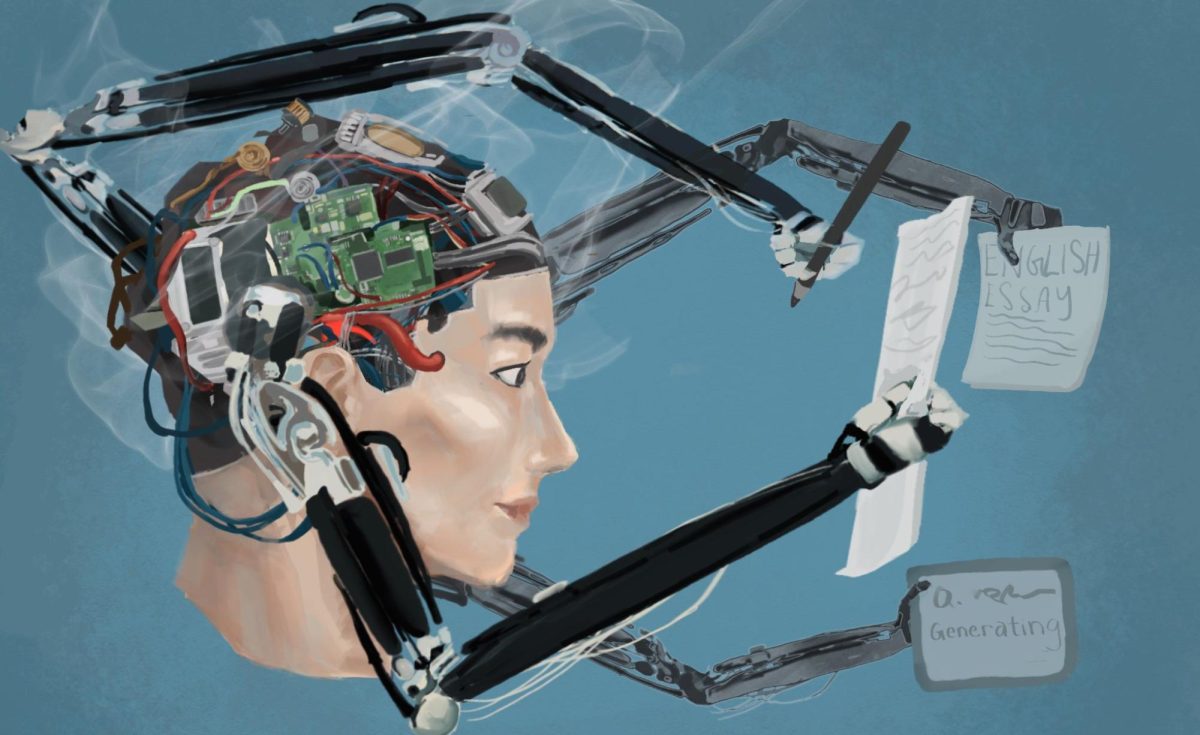
Most artificial intelligence (AI) study tools swear to be beacons of productivity — shining lights that guide you to the ever-so valuable perfect GPA and test score. To a certain extent, these promises hold true. Multiple studies have shown that AI tools in academic settings do increase productivity. In one study, which asked university students in Aerospace and Medical Engineering programs to evaluate AI’s scholastic impact, 82.4% believed that it enhanced their academic performance. Yet these benefits are overshadowed by the drawbacks, principally on students’ brains and the environment, making AI’s academic purpose questionable at best.
One common function of AI study tools like ChatGPT or Google Gemini is to perform reading and writing tasks. A study focusing on the impact of AI on the quality of learning through reading and writing tasks found that when compared to no AI usage, there was a 12% reduction in learning accuracy when college students used AI assistance. When they were completely reliant on AI, there was a 25.1% reduction. In the pursuit of faster outputs, AI study tools effectively bypass the entire point of education — gaining knowledge. Overreliance on AI also diminishes critical thinking skills and can even lead to “AI brain fry,” a term coined by one study that refers to the mental fatigue from AI.
AI is not at a point where it can solve every problem with pristine accuracy. Often, it “hallucinates” or presents incorrect information in a convincing manner based on training data. Nearly half of the students (48.2%) surveyed in the aforementioned study in Aerospace and Medical Engineering programs were concerned with the accuracy of AI-generated content. Combining AI inaccuracy with diminishing human critical thinking skills leads to an increase in misinformation, because students cannot verify what is spouted out by a chatbot. Overreliance on AI also results in negative social effects like increased loneliness and worsened interpersonal skills and emotional intelligence.
Several studies have pointed to potential data privacy concerns as well, which is all the more relevant considering the recent deals OpenAI, the company that created ChatGPT, has had with the U.S. government. In academic settings, AI study tools have access to an enormous pool of student data, which could, unfortunately, lead to surveillance and breaches of student privacy.
Generative AI as a whole poses great risks to the environment, too. The AI models that these study tools run on consume obscene amounts of electricity and water. Training AI models means immense pressure on the electric grid and strains water supplies that are used to cool down hardware. On top of that, it has been estimated that prompting ChatGPT uses five times more electricity than a simple web search. The rise of generative AI is also directly correlated with the rise of data centers — temperature-controlled buildings that house the infrastructure needed for AI — which source the majority of their electricity from fossil fuels.
While on the surface, AI study tools might seem like an easy pathway to a better grade, they come with potentially irreversible damage. Each prompt students feed into AI can save time, but comes at the cost of their cognition and the environment.
Eastside interviewed Mr. Andrew Satz, a math teacher at East, and Mr. Anthony Maniscalco, an English teacher at East, to learn more about their views on the use of AI in and out of the classroom.
Q: How are you currently using AI tools in your classroom, if at all?
Satz: In my classroom, during class, I do not use AI. I use AI to generate new math problems when planning for class or building an assessment, especially if I’m building them to have specific characteristics, such as an imaginary solution or a radical that needs to be simplified.
Q: In what ways can AI help students develop better study habits rather than just complete assignments?
Satz: AI can generate problems for students and score them! AI can also break down a topic and reteach it! To be completely honest, and I probably shouldn’t say this, AI can absolutely replace the need for tutors. Not only can it generate problems, but it can also give feedback based on your answers, and it can generate study guides.
Maniscalco: I believe it can help create graphic organizers and help students create notes, but I have yet to see it in that way. Honestly, I would love to see a student show me how to do that, because then I would consider using that.
Q: How do you teach students to use AI responsibly and ethically?
Satz: I don’t use AI during class and do not allow students to use their laptops during assessments, so they don’t have a chance to use an answer from AI on an assessment. Cheating has always been an issue, so I do not treat this any differently. If students cheat on assignments, it will catch up to them when they take an assessment, and I only talk about using AI responsibly.
Q: Do you think AI makes students more independent learners or more reliant on technology? Why?
Satz: Yes, in a sense. If students use AI appropriately, they will become more independent learners in the sense that they don’t need other people to help them, but simultaneously, they will become more reliant on technology. I don’t see the issue with the latter, however, because that’s life: we are constantly becoming more and more reliant on technology as individuals and as a society.
Maniscalco: More reliant on technology. Most of what I try to do in class is to get students to think critically. I don’t even mind that you’re in groups and pairs, because you’re thinking things through. I think students tend to rely too much on technology to give them the answers as opposed to helping them. I wish students, if they were to use AI, to use it in such a way that they could get their work done efficiently.
Q: How can teachers balance traditional study skills (like note-taking and memorization) with AI-assisted learning?
Satz: AI doesn’t take the place of learning, but it can check over the students’ understanding and provide specific feedback, which a textbook just cannot do. Teachers need to hold students accountable for taking good notes that they can use to answer future questions — that’s a tried and true method for increasing retention and comprehension of knowledge. AI is there to help make sure you understand and provide more practice.
Maniscalco: I would like someone to teach me that. It would be cool if you took all my notes and students used AI to create the coolest graphic organizer or the coolest study guide. I’d be happy to do that.
Q: How can AI help differentiate instruction for students with different learning styles or abilities?
Satz: AI can help meet the student where they are and provide the bridge to where they are supposed to be. If the student can tell the AI their thoughts, AI can function as a tutor.
Maniscalco: It could, because you can ask AI to reword things in different ways.
Q: What advice would you give students about using AI as a study tool instead of a shortcut?
Satz: Learning is the whole point to living. Don’t cheat yourself out of learning. Use AI to make your knowledge deeper.
Maniscalco: You have to be very careful, because down the line, there are ramifications, especially in college. I don’t think students realize what constitutes plagiarism; it’s using any three words that aren’t your own from any source, consecutively. I just fear that we’re not thinking for ourselves.
Q: Looking ahead, how do you see AI changing the way students learn and prepare for exams?
Satz: I hope to see students use AI in place of tutoring to increase equity in education. I hope students will use it to strengthen their knowledge and improve their questioning skills.
Maniscalco: If you’re going to use it to study, it has enormous benefits. It could summarize passages, it could help you find rhetorical strategies, etcetera. Now, you have to realize sometimes it’ll spew out false information. That’s why you can’t use it as a substitute. If you’re supplementing it with genuine work and reading of the text, it could be incredibly powerful.